

What is physical rehabilitation?
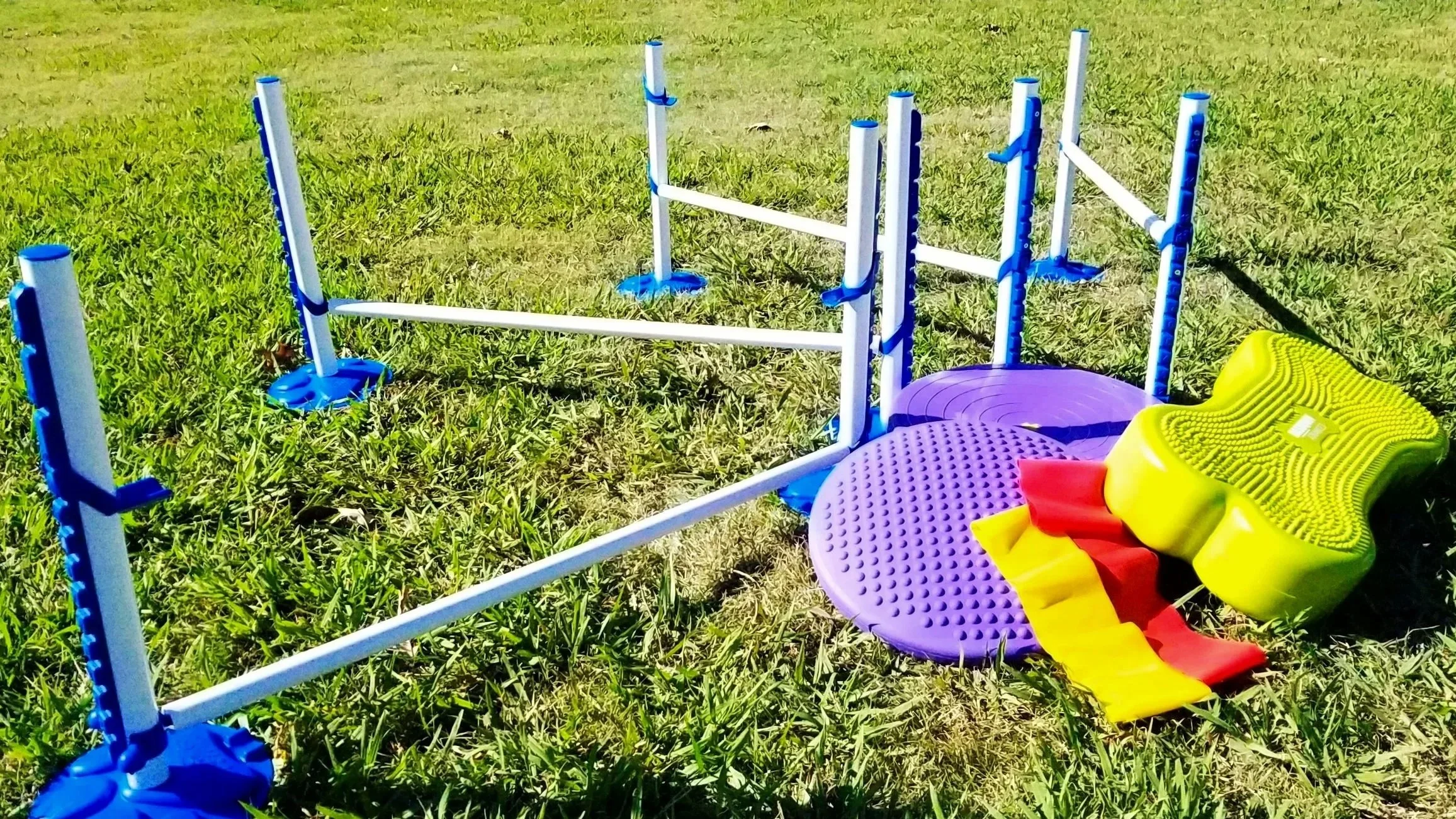
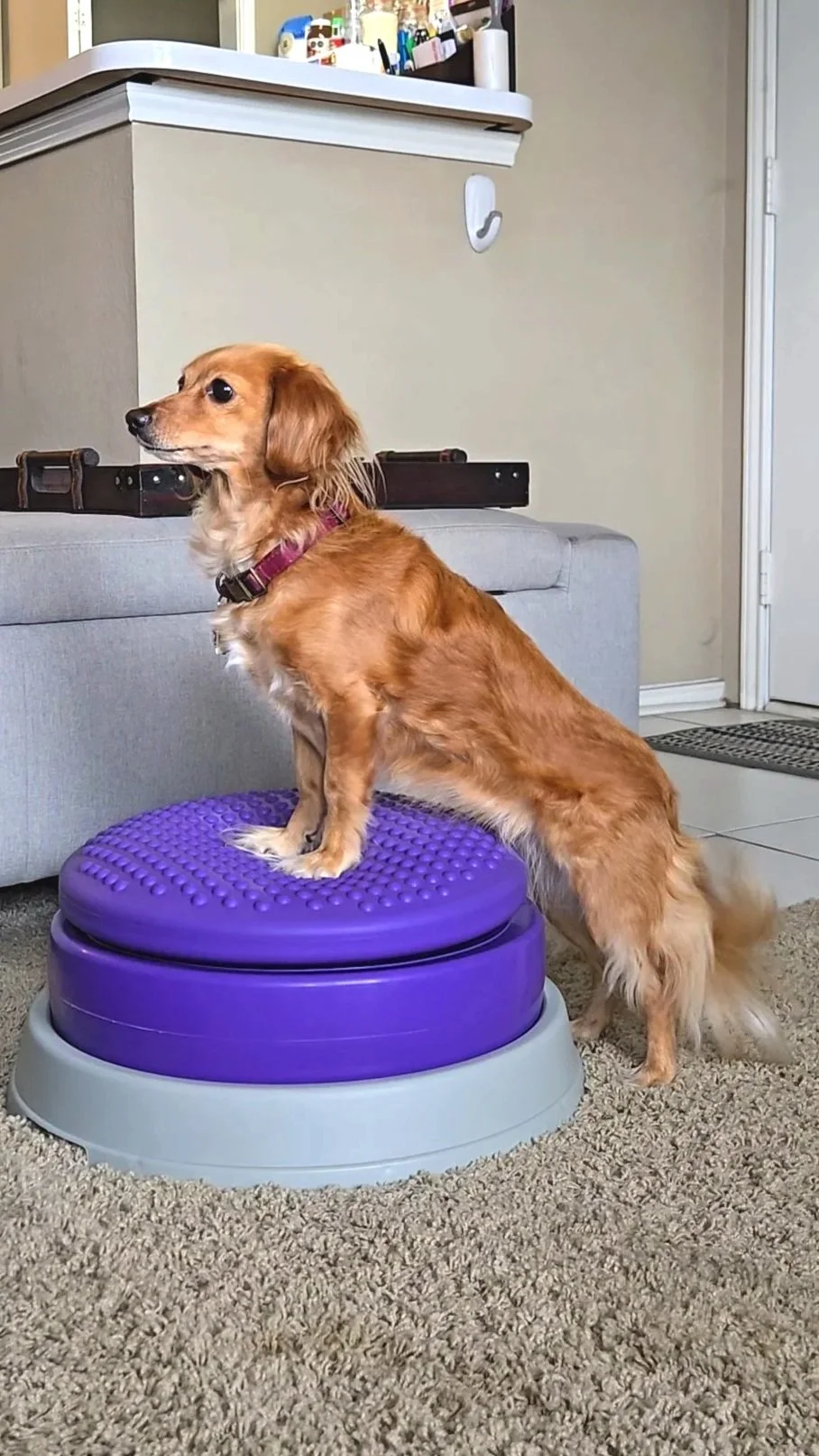
There are many interpretations of what is physical rehabilitation. Mine is that it is a combination of therapies, either manual, active or with the aid of a device, that promotes healing withing the body itself by triggering a cascade of biological effects.
How is healing achieved?
The body already has its mechanisms to heal itself, however, sometimes it requires assistance when the amount of healing is extensive and/or is impaired by external causes.
We can help the body by simply using our hands, like during a massage, to increase blood flow and reduce tension on trigger points. We can also subject the body to intentional and specific movements, also referred to as active range of motion, in order to affect the strength and elasticy of the tissues.
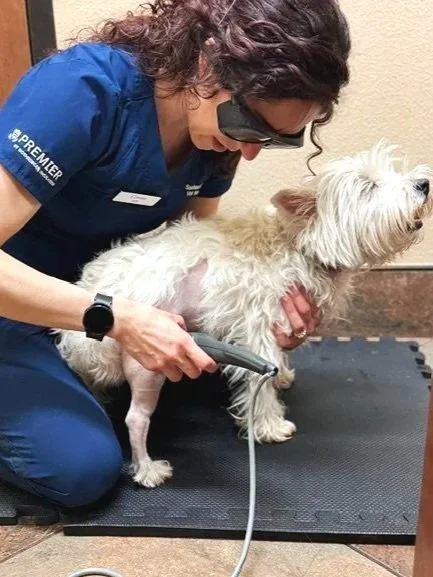
Additionally, there are especialized devices available that deliver specific types of energy, for example photobiomodulation units (aka laser units). The energy delivered triggers particular natural cascades of events within the body, encouraging healing from the inside out.
Targeted physical exercises are essential to activate specific muscles that allows stable and comfortable ambulation (walking). Additionally, movement in general helps in other various ways:
Addresses musculoskeletal compensations
Strengthens muscles, tendons and ligaments
Helps loosen up tissue adhesions and/or tightness
Supports muscle mass during a weight loss program
Encourages the flushing of natural toxins within the body
Provides mental enrichment and brightness
Improves circulation and cardiovascular capacity
Benefits of Physical Rehabilitation
Frequently Asked Questions
-
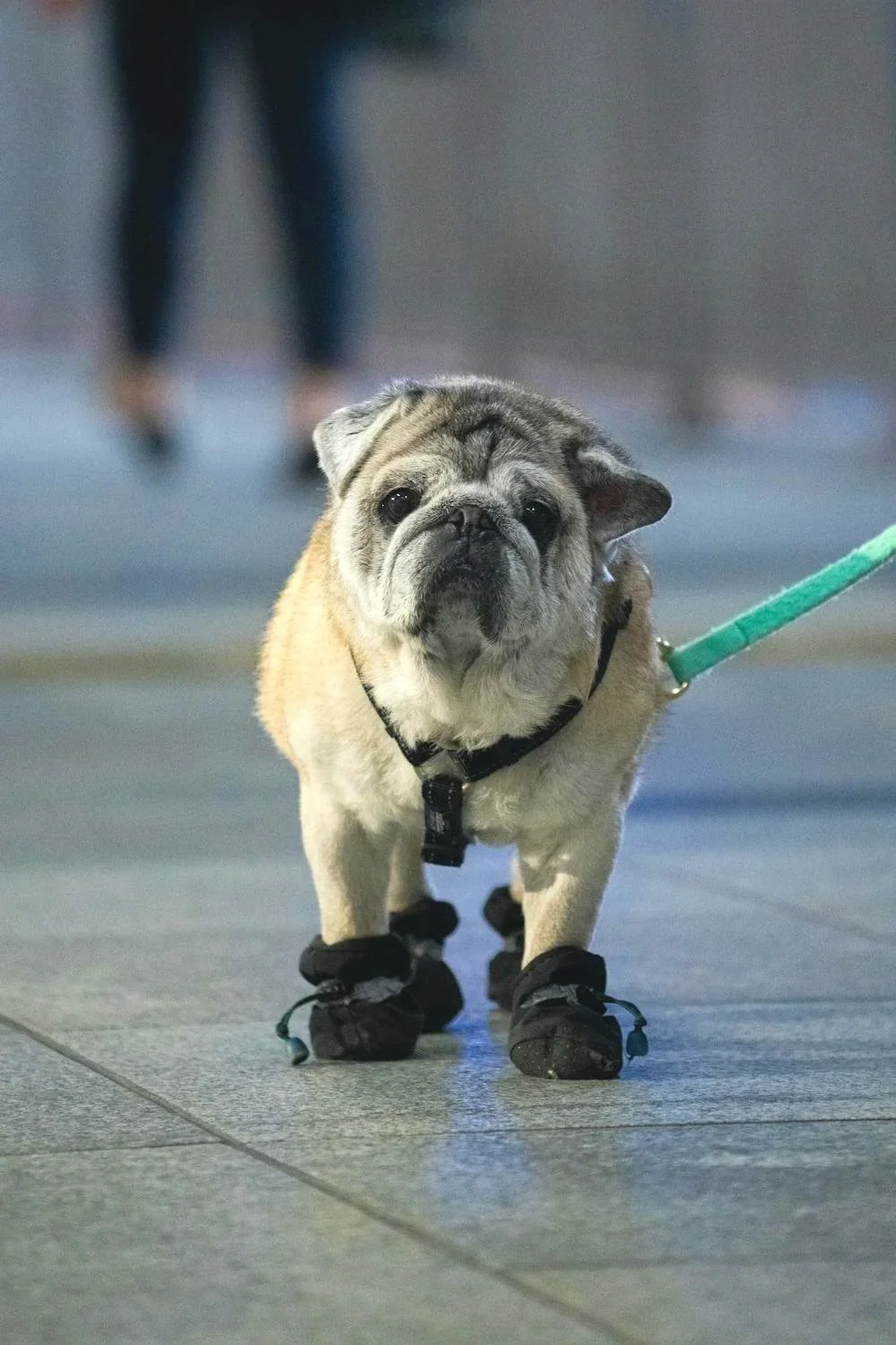
When done correctly and tailored to the specific needs of your pet’s condition, therapeutic exercises during a rehab program are safe to do. Nevertheless, like with any treatment, there is always a risk of re-injury, during the learning curb of an exercise, when slipery surfaces are involved, if we push too hard too soon or there is not enough rest time. That is why I develop my programs prioritazing proper form and steadiness, rather than fancy exercises.
-
It depends. The condition or injury your pet is going through, age, breed/size, comorbidities and how long ago the condition started all play a role in the overall recovery of your pet. I recommend you discuss your concerns and various treatment routes, in detail, with your primary veterinarian, so we can determine the best course of action for your pet’s situation.
-
If you’re interested in the At-Home 8-Week program, your veterinarian needs to complete my referral form and send it to me along with pertinent medical records describing the diagnosis and goal for the therapy.
If you’re interested in one of the In-Clinic Packages, and your veterinarian has partnered with me, their staff will be able to schedule you on the next available date.
-
I recommend that you call your insurance company and ask about their policies for these type of therapies. Each insurance company will have their own definitions and guidelines regarding these type of treatments.
-
Payment for any at-home services will be collected at the end of the visit.
I accept cash, cards and Zelle transfers.